AI SEO: How Artificial Intelligence Is Reshaping Search

If your SEO strategy still looks the same as it did two years ago, you are already behind. AI SEO is not just a buzzword or a future trend. It is a set of tools and techniques actively changing how websites get discovered, how content gets ranked, and how search engines decide what to show users. Whether you are running Google Ads campaigns, managing content strategy, or trying to get visibility in ChatGPT and Perplexing, understanding how AI fits into SEO is no longer optional.
The shift is real. AI powers Google’s ranking systems, automates tedious SEO tasks, generates content at scale, and even reshapes how search results appear. At the same time, it opens up entirely new visibility channels beyond traditional search engines. This article breaks down what AI SEO actually means, how it works, where it is heading, and how you can use it without losing quality or authenticity.
Table of Contents
- What is AI SEO?
- How AI changes search ranking
- AI SEO tools worth using
- AI SEO beyond Google: GEO and AEO
- Does AI content actually rank?
- Common AI SEO mistakes to avoid
- How to start using AI SEO in your strategy
- Frequently asked questions about AI SEO
What is AI SEO?
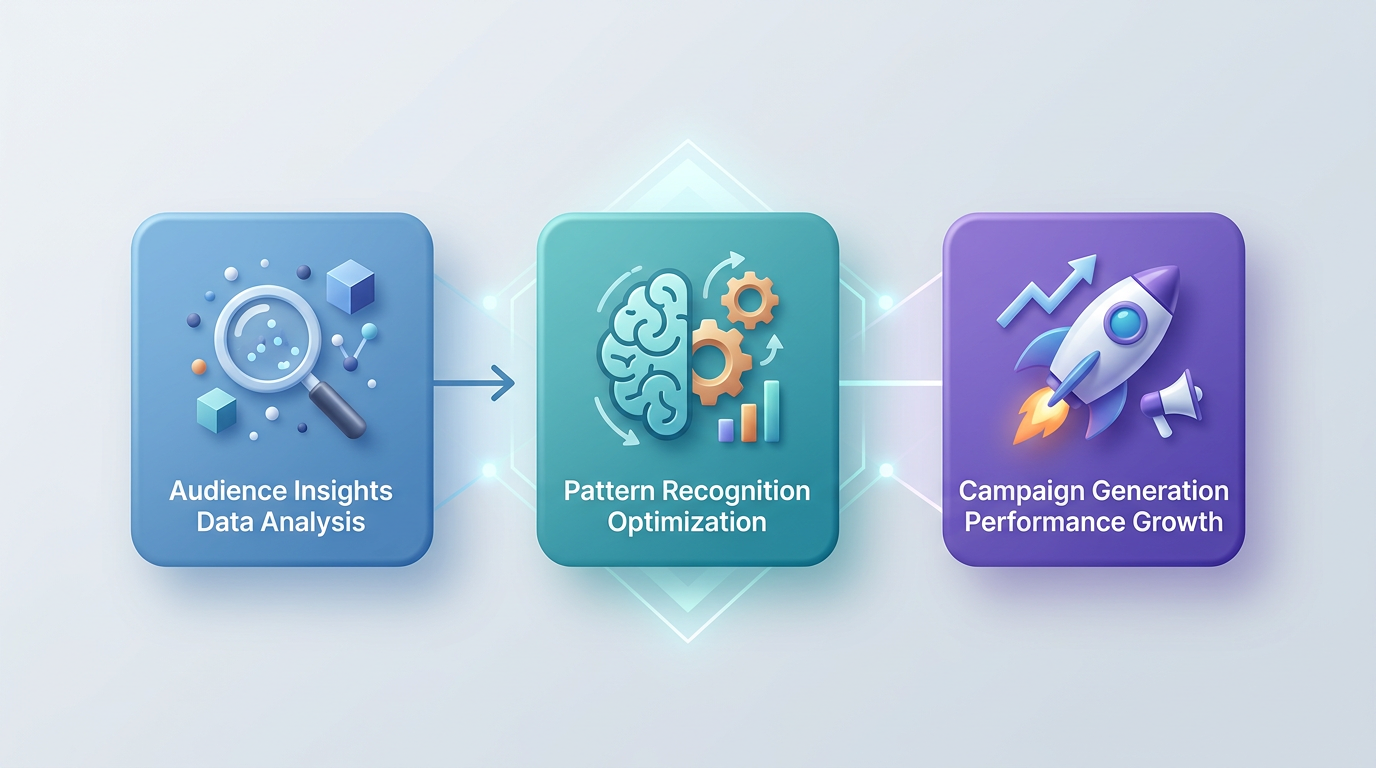
AI SEO is the use of artificial intelligence to improve search visibility, automate optimization tasks, create content, analyze data, and adapt to how search engines and AI platforms rank and surface information. It includes both using AI tools to do SEO work faster and optimizing your content so that AI-driven search systems can understand, quote, and recommend it.
AI SEO covers a few core areas. First, it means using AI tools like ChatGPT, Jasper, Clearscope, or SurferSEO to research keywords, generate content, analyze competitors, or suggest optimizations. Second, it means understanding that Google itself now uses AI models like RankBrain, BERT, and MUM to interpret queries and rank pages. Third, it includes optimizing for AI-driven discovery platforms like ChatGPT, Perplexity, Google SGE, and Bing Chat, where traditional SEO rules do not always apply.
The goal is the same as traditional SEO: get your content seen by the right people at the right time. The difference is that AI speeds up execution, changes how search engines evaluate content, and creates entirely new channels where your brand can show up.
How AI changes search ranking
Google has been using AI in its ranking systems for years. RankBrain, launched in 2015, helped Google understand the intent behind search queries. BERT improved how Google reads context in sentences. MUM goes even further by understanding complex queries across languages and formats. These are not experimental features. They are core parts of how Google decides what to show you when you search.
This has a few practical consequences. First, keyword matching matters less than it used to. Google can now understand synonyms, related concepts, and user intent even when the exact phrase is not in your content. That means you need to cover topics fully, not just repeat keywords. Second, user signals like dwell time, bounce rate, and engagement play a bigger role. If users click your page and immediately leave, Google notices. Third, content quality is now evaluated partly through AI models that assess relevance, depth, and trustworthiness.
For marketers, this means you cannot game the system with keyword stuffing or thin content. Google’s AI is getting better at detecting low-quality pages, AI-generated spam, and content that does not satisfy search intent. At the same time, well-structured, helpful, in-depth content benefits more than ever because Google can understand and reward it accurately.
Google SGE and the new search experience
Google’s Search Generative Experience (SGE) takes this even further. SGE uses generative AI to create dynamic answer summaries at the top of search results. Instead of showing ten blue links, Google now sometimes shows a conversational AI-generated response with sources linked below. This changes how users interact with search results and how websites get traffic.
If your content is clear, well-structured, and authoritative, it has a better chance of being cited in SGE summaries. If it is vague, promotional, or poorly organized, it might get skipped entirely. This makes AI SEO more important, not less. You need to write in a way that AI systems can easily parse, quote, and attribute.
AI SEO tools worth using
AI tools can save hours of manual work and surface insights you would miss otherwise. But not all tools are worth the investment. Some are genuinely useful. Others are repackaged GPT wrappers with minimal added value. Here are the categories and tools that consistently deliver results.
Content research and optimization
Clearscope and SurferSEO analyze top-ranking pages for your target keyword and suggest terms, questions, and structure to include. They help you match search intent without guessing. Frase does something similar and also helps generate content briefs and outlines. These tools are especially useful when you are scaling content production and need to maintain quality.
MarketMuse goes deeper by scoring your content against competitors and identifying content gaps across your entire site. It is more expensive but worth it for larger content operations. All of these tools use AI to analyze SERP data and semantic relationships, helping you write content that covers a topic completely.
Keyword research and competitor analysis
Semrush and Ahrefs are not purely AI tools, but both now use AI features for keyword clustering, content gap analysis, and competitive insights. AlsoAsked visualizes related questions people ask, which is useful for FAQ sections and subtopic planning. AnswerThePublic does something similar.
These tools help you understand what users are actually searching for and what competitors are ranking for. They also help you find low-competition keywords where you can win faster.
Content generation
ChatGPT, Claude, and Jasper can generate blog outlines, meta descriptions, ad copy, and even full articles. ChatGPT is the most flexible and affordable. Claude is better for longer, more nuanced content. Jasper is built specifically for marketers and includes templates for different content types.
Content generation tools are useful for first drafts, brainstorming, and repurposing. But raw AI output is rarely publish-ready. You still need a human editor to add examples, check accuracy, adjust tone, and make sure the content actually helps readers. AI speeds up the process. It does not replace editorial judgment.
Technical SEO and automation
Screaming Frog and Sitebulb are crawlers that help you audit technical SEO issues like broken links, duplicate content, and missing meta tags. Both now include AI-powered suggestions for fixes. Google Search Console is free and essential for tracking performance, indexing issues, and search queries.
For automation, tools like Zapier and Make let you connect SEO tools, content management systems, and reporting dashboards. You can automate keyword tracking, content publishing, and performance alerts without writing code.
| Tool | Primary use | Best for |
|---|---|---|
| Clearscope | Content optimization | Matching search intent |
| SurferSEO | Content optimization | On-page SEO scoring |
| ChatGPT | Content generation | Outlines, first drafts |
| Semrush | Keyword research | Competitive analysis |
| Ahrefs | Backlink analysis | Link building and gaps |
| Screaming Frog | Technical SEO | Site audits |
The best AI tools for SEO are the ones that save you time on repetitive tasks and surface insights you would not find manually. They do not replace strategy or creativity. They amplify it.
AI SEO beyond Google: GEO and AEO
Traditional SEO focuses on Google search results. But users are now finding answers in ChatGPT, Perplexity, Claude, Bing Chat, and other AI platforms. This is where GEO (Generative Engine Optimization) and AEO (Answer Engine Optimization) come in. These terms describe how you optimize content so that AI systems can discover, understand, and cite it.
GEO is about making your content easy for generative AI models to reference. That means writing clearly, structuring content logically, and including quotable answer blocks. AEO is similar but focuses more on direct answer formats like featured snippets, FAQ sections, and concise explanations. Both are critical if you want visibility beyond traditional search engines.
How AI agents discover and cite content
AI models like ChatGPT, Perplexity, and Bing Chat pull information from the web, internal training data, and real-time search APIs. When they cite sources, they prefer content that is authoritative, well-structured, and easy to parse. That means clear headings, short paragraphs, bullet points, and direct answers to common questions.
If your content is buried in long-winded introductions, uses vague language, or lacks clear structure, AI systems are less likely to surface it. This is why AI SEO now includes thinking about how AI reads your content, not just how humans do. You need to write in a way that works for both.
Optimizing for Perplexity, ChatGPT, and Bing
To improve your chances of being cited by AI platforms, follow a few simple rules. First, answer the main question early in the article. Do not bury the lead. Second, use descriptive headings that match common search queries. Third, include a concise definition or explanation near the top of the page. Fourth, structure your content so that each section can stand alone as a useful answer.
External links to credible sources also help. AI systems trust content that cites authoritative references. Adding citations to research, official documentation, or reputable publications signals that your content is reliable. For example, linking to Google’s Search Central documentation when discussing ranking factors adds credibility.
Finally, make sure your site has a clear XML sitemap, fast load times, and clean HTML. AI crawlers and APIs prioritize sites that are easy to access and parse. Technical SEO still matters, even in the age of AI.
Does AI content actually rank?
Yes, but only if it is good. Google does not penalize AI-generated content just because it is AI-generated. Google penalizes low-quality content, whether it is written by humans or machines. If your AI content is thin, repetitive, unhelpful, or clearly automated spam, it will not rank. If it is well-researched, accurate, and useful, it can rank just as well as human-written content.
The key is editorial oversight. AI tools like ChatGPT and Jasper are excellent at generating structure, suggesting ideas, and producing first drafts. But they are not perfect. They can be vague, repetitive, or factually wrong. They do not have firsthand experience or strategic judgment. That is where humans come in.
The role of human editing in AI SEO
The best approach is to use AI for speed and scale, then add human expertise to make the content genuinely useful. That means fact-checking, adding examples, adjusting tone, cutting fluff, and making sure the content answers the reader’s actual question. It also means adding original insights, comparisons, or case studies that AI cannot generate on its own.
AI is a tool, not a replacement. Used well, it lets you publish more high-quality content faster. Used poorly, it creates spam that hurts your rankings and reputation. The difference is how much human thought goes into the final product.
Common AI SEO mistakes to avoid
AI tools make SEO easier, but they also make it easier to mess up. Here are the most common mistakes teams make when they start using AI for SEO, and how to avoid them.
Publishing raw AI output without editing
This is the biggest mistake. AI-generated content often sounds generic, repeats itself, and lacks specificity. It also sometimes includes outdated information or subtle inaccuracies. If you publish raw AI output without editing, readers notice. So does Google. Always treat AI drafts as a starting point, not a finished product.
Ignoring search intent
AI tools can suggest keywords and structure, but they do not always understand what users actually want. If someone searches for “AI marketing tools,” they probably want a comparison or list, not a definition. If they search for “how to use AI for SEO,” they want a guide, not a sales page. Make sure your content matches the intent behind the keyword, not just the keyword itself.
Over-optimizing for keywords
AI tools sometimes suggest adding the same keyword dozens of times. That is outdated advice. Google’s AI can understand topics without exact keyword repetition. Focus on covering the topic fully and naturally. Use related terms, synonyms, and variations. Write for humans, not for keyword density metrics.
Neglecting technical SEO
AI content is useless if your site is slow, broken, or hard to crawl. Make sure your site has clean code, fast load times, mobile optimization, and a logical internal linking structure. Use tools like Google Search Console and Screaming Frog to catch technical issues before they hurt your rankings.
Skipping fact-checking
AI models sometimes make up facts, cite non-existent studies, or confidently state things that are wrong. Always verify claims, check sources, and make sure examples are accurate. This is especially important for AI marketing content, where outdated or incorrect information can damage your credibility.
How to start using AI SEO in your strategy
You do not need to overhaul your entire SEO process overnight. Start small, test what works, and scale gradually. Here is a practical roadmap for integrating AI into your SEO workflow.
Step 1: Audit your current SEO performance
Before adding AI tools, understand where you are now. Use Google Search Console to see which pages get traffic, which keywords you rank for, and where you are losing visibility. Use Ahrefs or Semrush to analyze competitors and identify content gaps. This gives you a baseline to measure against.
Step 2: Choose one or two AI tools to test
Do not try to adopt ten tools at once. Pick one content optimization tool like Clearscope or SurferSEO and one content generation tool like ChatGPT or Jasper. Test them on a few articles. Measure the results. If they save time and improve quality, expand usage. If they do not, try something else.
Step 3: Build an AI-assisted content workflow
Create a repeatable process that combines AI speed with human oversight. A typical workflow might look like this: use AI to research keywords and generate an outline, use AI to draft the first version, have a human editor add examples and adjust tone, use an optimization tool to check coverage and structure, then publish and track performance.
Step 4: Optimize for AI discovery
Start thinking about how AI systems will interact with your content. Add clear definitions near the top of articles. Use descriptive headings. Include FAQ sections with direct answers. Make sure your content is easy to skim and quote. These changes improve both traditional SEO and visibility in AI platforms.
Step 5: Track and iterate
SEO is never finished. Use Google Search Console, Ahrefs, and your chosen AI tools to monitor rankings, traffic, and engagement. Look for patterns. Which types of content perform best? Which AI tools deliver the most value? Adjust your process based on what the data tells you.
The goal is not to automate everything. It is to use AI where it adds the most value, while keeping human judgment and creativity at the center of your strategy. TAMA helps businesses build these workflows by combining AI tools with strategic oversight, so you get the speed of automation without sacrificing quality.
Frequently asked questions about AI SEO
Does Google penalize AI-generated content?
No, Google does not penalize content simply because it was created with AI. Google penalizes low-quality content, regardless of how it was made. If your AI content is helpful, accurate, and well-structured, it can rank just as well as human-written content. The key is editorial quality and making sure the content genuinely serves the reader’s needs. Always fact-check, edit, and add original insights to AI drafts before publishing.
What is the difference between AI SEO and traditional SEO?
Traditional SEO focuses on optimizing content and technical elements for search engines like Google. AI SEO includes those same tactics but also involves using AI tools to speed up research, content creation, and optimization. It also means optimizing for AI-driven platforms like ChatGPT, Perplexity, and Google SGE, where traditional ranking factors do not always apply. AI SEO is an evolution of traditional SEO, not a replacement.
Can I use AI tools for keyword research?
Yes, AI tools like Semrush, Ahrefs, and ChatGPT can help with keyword research. They can suggest related keywords, analyze search intent, and identify content gaps. However, AI tools should be combined with manual judgment. Look at actual search results, check competitor content, and make sure the keywords match your business goals. AI speeds up research but does not replace strategic thinking.
Is AI SEO only for large companies?
No, AI SEO is accessible to businesses of all sizes. Many AI tools have free or affordable plans. Small businesses and solo marketers can use AI to compete with larger competitors by producing high-quality content faster. The key is focusing on a few high-impact tools and workflows rather than trying to adopt everything at once. AI levels the playing field if used strategically.
How do I optimize content for ChatGPT and Perplexity?
To optimize for AI platforms, write clearly and structure your content logically. Include a concise answer to the main question early in the article. Use descriptive headings that match common queries. Add FAQ sections with direct answers. Cite credible external sources to build trust. Make sure your site is fast, mobile-friendly, and easy to crawl. These practices improve visibility in both traditional search and AI-driven discovery platforms.
What are the best AI tools for SEO in 2024?
The best tools depend on your needs, but commonly recommended options include Clearscope and SurferSEO for content optimization, ChatGPT and Jasper for content generation, Semrush and Ahrefs for keyword and competitor research, and Screaming Frog for technical audits. For AI Google Ads and AI Meta Ads optimization, tools like Adzooma and Revealbot can help automate campaign management. The key is choosing tools that fit your workflow and measuring their impact on performance.

Conclusion
AI is changing how SEO works, but the fundamentals remain the same. Create helpful, well-structured content that answers real questions. Build a site that is fast, accessible, and easy to navigate. Earn trust through quality and consistency. AI tools make it easier to do all of this at scale, but they do not replace strategy or editorial judgment.
The biggest opportunity right now is optimizing for AI-driven discovery. Google SGE, ChatGPT, Perplexity, and other platforms are changing how users find information. If your content is clear, authoritative, and easy to parse, you will show up in these new channels. If it is vague or poorly structured, you will get left behind.
Start small. Pick one or two AI tools. Test them. Build a workflow that combines AI speed with human oversight. Track what works. Iterate. If you want help building an AI SEO strategy that actually drives results, request a free AI growth analysis and see how TAMA can help you get ahead of the curve.